
Creating a Forex Trading Plan: Setting Goals and Strategies
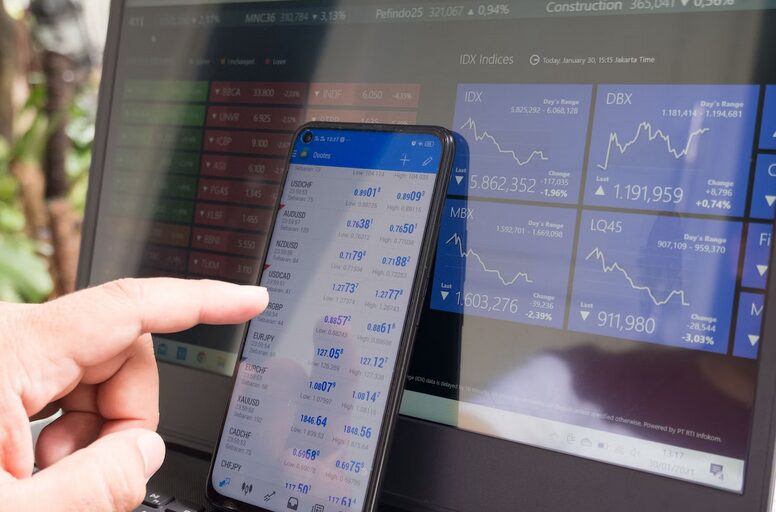
Welcome to the dynamic world of forex trading. If you’re looking to navigate the foreign exchange market successfully, having a well-crafted trading plan is your compass for success. In this guide, we’ll explore the essential steps to help you create a personalized forex trading plan that aligns with your goals and sets you on the path to confident and informed trading.
Understanding the Basics: What Is Forex Trading?
Before we dive into the nitty-gritty of creating a trading plan, let’s quickly review the basics of forex trading. Forex, short for foreign exchange, is the global marketplace where currencies are traded against each other. Trillions of dollars are exchanged daily, making it the largest financial market globally.
Step 1: Define Your Trading Goals

Every successful venture starts with a clear goal in mind, and forex trading is no exception. Ask yourself: What do you want to achieve through forex trading? Are you looking for a supplementary income, long-term wealth growth, or perhaps a full-time career? Defining your goals will shape the strategies you employ and the time commitment you make.
Step 2: Assess Your Risk Tolerance
Understanding and managing risk is fundamental in forex trading. Determine how much risk you’re comfortable taking on each trade and set a risk-reward ratio that aligns with your risk tolerance. This step is crucial for preserving your capital and avoiding emotional decision-making during volatile market conditions.
Step 3: Choose Your Trading Style
Forex trading offers various styles, each catering to different personalities and preferences. Whether you’re inclined toward day trading, swing trading, or long-term investing, choose a style that aligns with your schedule, risk tolerance, and overall trading goals.
Step 4: Develop a Trading Strategy
Now comes the exciting part of developing your trading strategy. Consider factors like technical and fundamental analysis, indicators, and chart patterns. Your strategy should provide a systematic approach to entering and exiting trades, helping you make informed decisions based on market conditions.
Step 5: Set Realistic Expectations
While the allure of quick profits is tempting, setting realistic expectations is key to long-term success. Understand that losses are part of trading, and not every trade will be a winner. Establishing realistic profit targets and acknowledging potential losses will keep you grounded and focused on the bigger picture.
Step 6: Implement Risk Management Techniques

Preserving your trading capital is paramount. Incorporate risk management techniques such as setting stop-loss orders, diversifying your trades, and avoiding overleveraging. These practices will help protect your account from significant losses and contribute to consistent and sustainable trading.
Step 7: Keep a Trading Journal
A trading journal is your trading diary. A place to record each trade, the rationale behind it, and the outcome. This valuable tool allows you to track your progress, identify patterns in your decision-making, and continuously refine your strategy based on real-time data.
Creating a forex trading plan is your blueprint for success in the world’s largest financial market. By defining your goals, assessing risk, choosing a trading style, developing a strategy, and implementing sound risk management, you’re setting the stage for a confident and informed trading journey. Remember, forex trading is a continuous learning process, so stay curious, stay disciplined, and enjoy the adventure.…
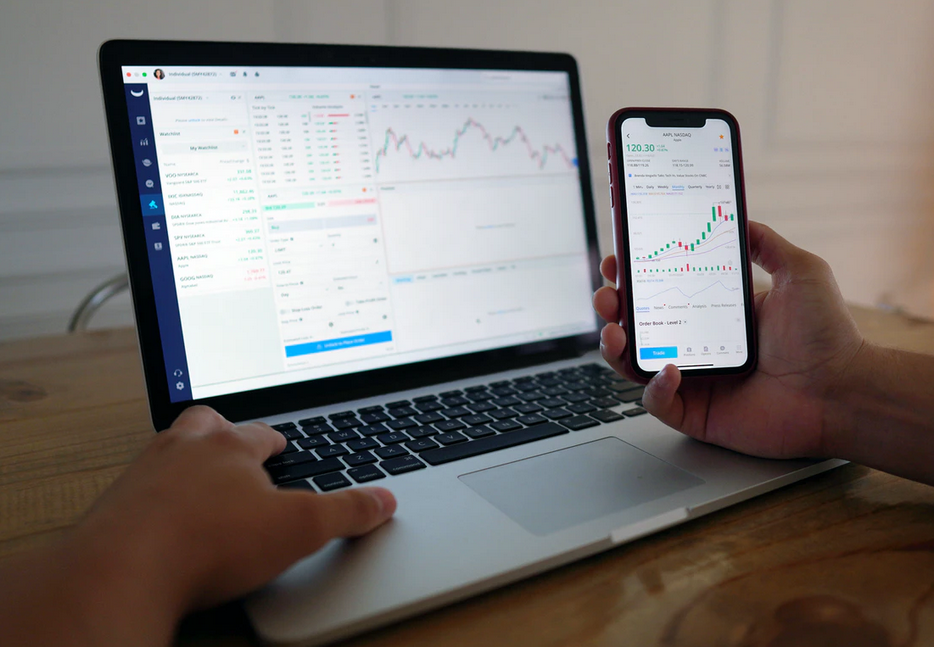
 One of the first things you should consider before selecting a trading platform is security. It is essential to note that you will give your important financial and personal information to a website. There has been a lot of concern regarding data security when dealing with online platforms. Since you are giving sensitive information, you must ensure it will be safe.
 The second factor you should consider when selecting an online Forex trading platform is the total costs you will have to meet. One of the primary reasons why you want to trade in Forex is to make more money. It will make no sense when you lose money because of the trading costs that a platform charge. You must consider the amount of money you are comfortable paying for trading costs.
 The last factor to consider before choosing a trading platform is the reviews. Make a point of doing some research to learn more about a platform. Most Forex trading platforms claim to be the best, but this is not always the case. Reading online reviews will be crucial in knowing if a platform is genuine or not. You should also check online ratings.